


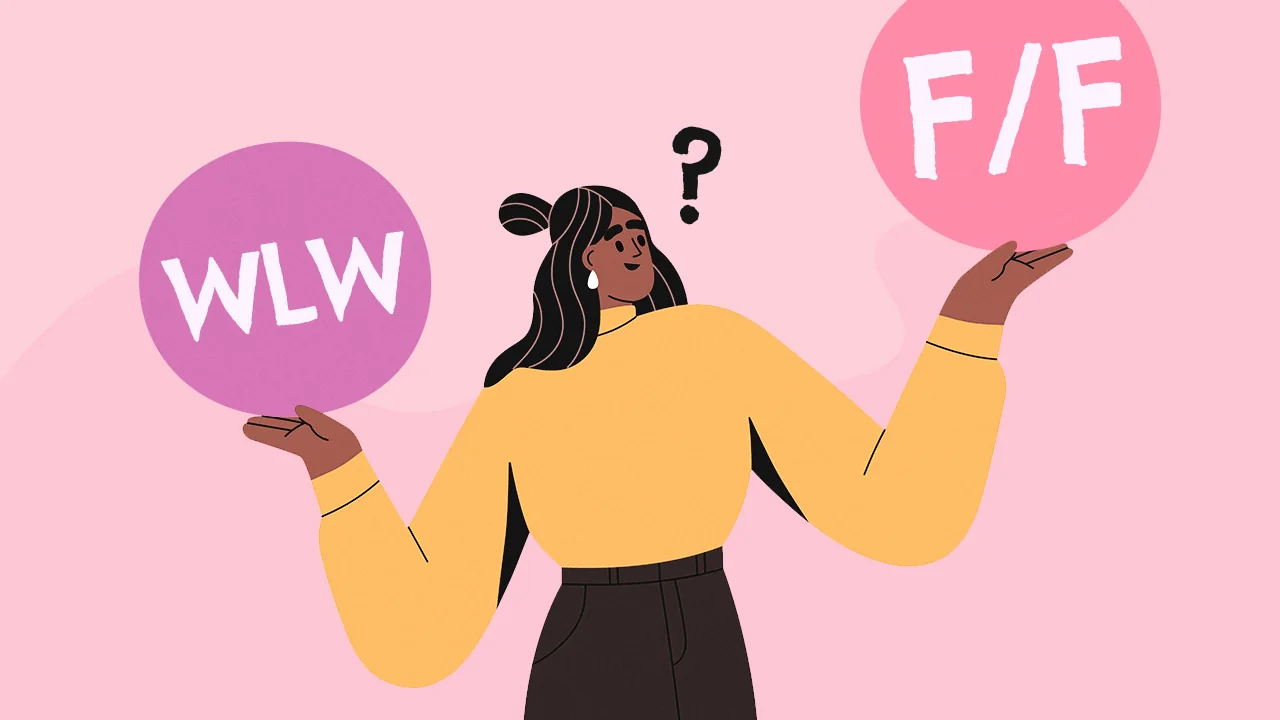
The terms sound similar, but they guide discovery differently
One of the biggest mistakes readers make is assuming these labels are interchangeable in every context. They overlap, yes, but they do not always point to the same tone, genre expectations, or reading experience.
"Sapphic books" is often the broadest and most flexible term. It tends to work as an umbrella label for stories centered on attraction, love, desire, or emotional connection between women, whether the book is romance-heavy or not. A sapphic fantasy, a sapphic literary novel, and a sapphic mystery can all sit comfortably under that label even if they feel completely different on the page.
"Lesbian fiction" usually feels more identity-specific. Readers using that term are often looking for books that are more explicitly centered on lesbian characters, lesbian experience, or lesbian relationships. Sometimes that includes romance, but not always. A book can be lesbian fiction without being structured like a genre romance, and that distinction matters to readers who care about the emotional and thematic focus of a story.
"WLW books" is another umbrella term, but it often feels more online, more community-driven, and sometimes a little more casual in tone. Readers use it because it is familiar, fast, and inclusive in browsing spaces. It is often less about strict categorization and more about signaling the general relationship dynamic they want.
"F/F romance" is usually the clearest genre signal of the group. It tells readers that the romantic relationship is central, not peripheral, and that the book is more likely to follow romance expectations in structure, tension, and payoff. When readers search for F/F romance, they are usually not looking for a book where the relationship sits quietly in the background.
Why this matters on Saphly
Saphly is built around sapphic books, but readers still arrive with different vocabularies, expectations, and browsing habits. Some people know exactly what they want. Others just know they want a story about women loving women and need better language to narrow it down.
That is where platform-specific discovery starts to matter. On Saphly, the goal is not just to host stories but to help readers move toward the right story faster through tags, genres, tropes, and browsing paths that feel intuitive. If a reader enters through a broad term like "sapphic books," they may still need trope-level clarity afterward. If they enter through "F/F romance," they may already be looking for a more direct emotional promise.
That means labels are not just labels but also reading signals that help set expectations before a reader even opens chapter one.
What readers usually mean when they search each term
If a reader searches "sapphic books," they are often asking for range. They may be open to fantasy, paranormal, literary, contemporary, angst, fluff, or slow burn. The label is broad enough to invite exploration, which makes it strong for discovery but weaker for precision on its own.
If a reader searches "lesbian fiction," they are often looking for something more identity-forward. They may want stories that feel more rooted in lesbian characters and lesbian-centered emotional experience, even if the book is not a classic genre romance. The search is often less about mood and more about focus.
If a reader searches "WLW books," they are often browsing. This reader may be moving through lists, rec threads, social posts, and recommendation culture rather than trying to pin down an exact market category. The term behaves well in community spaces because it feels familiar and flexible.
If a reader searches "F/F romance," they are usually looking for a romantic payoff. They want to know that the relationship is central, that chemistry matters, and that the love story is not just a side thread. This search is often the most intent-heavy of the four because it carries a stronger promise about what the book is going to deliver.
How this helps readers choose better books
A lot of reading disappointment comes from mismatch, not from bad writing. Someone wanting a tightly romance-driven story may feel unsatisfied by a broader sapphic novel with a secondary love arc. Meanwhile, a reader wanting a rich identity-centered story may feel underfed by a romance that focuses mostly on chemistry and pacing. Using the right term helps reduce that mismatch.
If you want variety, "sapphic books" is often the best place to begin.
If you want lesbian-centered character focus, "lesbian fiction" may get you closer.
If you are browsing casually through community language, "WLW books" can work well.
If you want romance first, "F/F romance" is usually the strongest signal.
For readers on Saphly, understanding these differences can make browsing feel much less random. Instead of searching broadly and hoping for luck, you start reading with clearer expectations.
How authors should think about these labels
For authors, the temptation is often to pick one label and stop there. But that usually makes a book harder to place in the reader's mind. A stronger approach is to think in layers.
First, identify the book's broad shelf. Is it best introduced as a sapphic book, lesbian fiction, or F/F romance? Then sharpen that identity with genre and trope language. Is it contemporary, fantasy, dark academia, office romance, enemies to lovers, or slow burn? The broader label gets the reader in the door. The more specific descriptors help the right reader stay.
That is especially important on a platform built around discovery. Saphly already supports genres, tropes, and tags, which means books do better when they are described in a way that reflects both identity and reading experience rather than only one or the other. A story does not need to force itself into a single box. It just needs to communicate clearly enough that the right readers can recognize it.
The simplest way to think about it
Here's the easiest version:
"Sapphic books" is the widest umbrella.
"Lesbian fiction" is often more identity-centered.
"WLW books" is broad, familiar, and community-shaped.
"F/F romance" is the clearest romance-specific label.
None of these terms is wrong. They just do different jobs.
For readers, that means better searches.
For authors, that means clearer positioning.
For a platform like Saphly, that means stronger discovery without forcing every book into the exact same language.
If you are browsing Saphly and unsure where to start, use the broad label that matches your interest first, then narrow from there using genre, trope, and mood. That usually leads to better picks than searching one umbrella term and treating every result like it promises the same reading experience.