



Why Library Borrowing Supports Sapphic Authors
It's a common misconception that borrowing books from the library for free doesn't help authors financially. But the truth is more nuanced—and more encouraging—because library systems are one of the most important visibility channels for authors, especially those published by queer-led presses.
How Authors Benefit from Libraries
- Library Purchases Count as Sales
When a library adds a book to their digital or physical collection, they pay for it, often more than consumer retail. And just like any bookstore sale, it counts toward the author's royalties. For e-books and audiobooks, most libraries purchase licenses that expire after a set period or number of checkouts, meaning they repurchase popular titles regularly—resulting in continued royalty payments.
- One Purchase, Many Readers
A single library book may circulate dozens or even hundreds of times. Each checkout increases the author's visibility and reach without requiring individual readers to buy their own copy.
- Sales Rankings Matter
Library purchases contribute to overall sales. For small authors and queer-led presses like Saphly, this data matters; it helps presses negotiate better shelf placement in physical stores, secure prominent positioning in online retailers' algorithms, and justify investing in additional print runs.
- Borrowers Become Buyers
Many readers discover new favorite books through the library, which leads to purchasing their own copies or recommending them to others. According to a 2012 OverDrive-ALA survey, 35% of library users buy a book after borrowing it, with patrons averaging 3.2 purchases monthly. At Saphly, more than 15% of book sales happen through libraries, and this number continues to grow.
- Expanded Access to Queer Stories
Libraries serve a wide range of readers, including teens, rural readers, disabled readers, people in conservative areas, or simply those who may not have the means or access to purchase books regularly. Every borrowed sapphic title increases representation where it's needed most.
Why This Matters for Sapphic Fiction Specifically
When libraries see consistent demand for sapphic stories, they:
Purchase more titles in the genre: High circulation numbers directly influence future buying decisions. When sapphic fiction circulates well, libraries allocate more of their budget to these stories.
Feature them in displays and promotions: Popular titles get prime real estate on featured shelves, in newsletters, and on library social media.
Develop collections with sapphic readers in mind: Librarians actively seek out similar titles and emerging authors in genres that their readers are borrowing.
Signal to publishers that readers want these stories: Publishers pay attention to library purchasing trends when deciding what to acquire and how much to invest.
Ensure that sapphic shelves don't disappear: Books that don’t circulate eventually get weeded from collections. By borrowing, readers literally keep stories on the shelf.
Every borrow has impact. Sapphic fiction is still underrepresented in mainstream publishing, and it's crucial that libraries actively support these stories through their purchasing decisions. Additionally, it sends a positive message to readers who are seeking representation and validation in literature.
How to Access Free Sapphic Fiction Through Your Library
Digital Library Apps: Your Phone, Unlimited Books
Most public libraries offer free digital borrowing through apps. It's fast, free, and takes just minutes to set up. Here’s how to get started:
Libraries make it easy to sign up in person or, in many cases, apply for a free digital-only card right on their website. Provide proof of residency (usually just your address), and you're set.
If for any reason you're not comfortable with requesting LGBTQ+ books from your local library, or your local library doesn't offer what you’re looking for, you might want to check out the Queer Liberation Library—a nonprofit offering free digital library memberships to anyone with a U.S. mailing address. Their collection of more than a thousand titles focuses specifically on LGBTQ+ literature, all accessible through the Libby app.
The most common ones are Libby, Hoopla, CloudLibrary, Palace (The Palace Project), and BorrowBox, available in most English-speaking countries and around the globe. Every one of these apps includes Saphly e-books in its catalog.
Of course, different countries and library systems use different apps, so visit your library's website or ask a librarian which platforms they offer.
Use search terms like “sapphic fiction”, “lesbian romance”, “LGBTQ+ fiction”, specific book titles, author names, or publishers like “Saphly Books”.
If a book is available, borrow it and start reading. If all copies are checked out, place a hold and wait to be notified when it's your turn. Most libraries allow you to have multiple holds at once, so don’t hesitate to queue up several titles you're interested in.
How to Request Books Your Library Doesn't Have
This is where you make the biggest impact. When you request a book, you're telling your library there’s demand for sapphic fiction.
For digital books, tap “Notify Me” in Libby—or whatever option your app uses to request a title. This sends a signal to your library that readers want this book, and they often purchase titles that receive multiple requests.
For physical books, visit or call your library, ask a librarian if they can order it, and provide such details as the title, author, publisher, or ISBN if necessary. They'll typically have a library request form, which some libraries might have available on their website as well.
For Saphly titles, list the publisher as “Saphly Books”. You can find the ISBN for every book on our website.
But What If My Library Doesn't Offer Digital Books?
Not all libraries have extensive digital collections, especially smaller or rural systems. If your local library doesn't offer apps like Libby or Hoopla, here are some alternatives:
Check for statewide or regional digital library systems. Many regions have centralized digital libraries that all residents can access. In the U.S., examples include the Ohio Digital Library or the Minuteman Library Network. In other countries, check for national or regional systems—for example, the UK has regional library consortia, and Australia has state-based networks.
Look into non-resident digital library cards. As of recently, many U.S. library systems have stopped their non-residential library card programs due to budget constraints and rising local demand. But some options still remain, like:
Queens Public Library (New York State): $50/year.
Fairfax County Public Library (Virginia): $50/year.
Orange County Library System (Florida): $125/year.
Queer Liberation Library (nationwide, U.S.): Free membership with donation-based support.
These cards give you access to their digital collections, which are often much larger than smaller library systems.
Ask your library to start or expand digital services. If your library doesn't offer digital borrowing at all, request it! Many smaller libraries are looking for ways to serve their communities better and may not realize there’s demand for it. Point them to affordable options like the Palace Project or consortia they can join.
Tips for Supporting Sapphic Authors Through Libraries
Actually borrow the books. Requested a book? When it arrives, check it out. High circulation numbers encourage libraries to buy more from that author and publisher. If a book gets requested but never borrowed, librarians may assume the interest wasn't genuine and avoid similar purchases in the future.
Leave reviews on library apps. Most library apps allow ratings and reviews. A few positive reviews help other readers discover sapphic titles.
Request multiple formats. Want to support even more? Request e-book, audiobook, and even physical versions of the books you love. Each format counts as a separate purchase and can influence purchasing decisions across different departments.
Spread the word. Tell your book club, community groups, Discord servers, or friends to request the same books. Again, libraries notice demand patterns.
Follow new releases. Check your library's new LGBTQ+ fiction regularly. Borrowing new sapphic releases quickly signals strong interest and encourages libraries to prioritize similar titles in future purchases.
Beyond Libraries: More Ways to Find and Support Sapphic Fiction
Free Reading Resources
- I Heart SapphFic
The IHeartSapphFic website features a list of free sapphic books from various authors and across many genres. Beyond that, they also offer various reading resources, author interviews, curated book lists, weekly book polls, and an extensive book finder tool that may help you discover exactly what you're in the mood for.
- Queer Liberation Library
As already mentioned above, the Queer Liberation Library offers free digital library memberships to anyone with a U.S. mailing address. If you don't have access to a local library with a strong LGBTQ+ collection, this is an incredible resource of more than a thousand queer-centered titles.
- Advanced Reader Copies
Most publishers and authors share pre-release books with readers to help build buzz and gather feedback before the official launch day, giving you early access through Advanced Reader Copies (ARCs) in exchange for honest reviews. Platforms like NetGalley, Booksprout, and BookSirens are great places to request ARCs and discover what's coming out next.
If you're interested in potentially receiving ARCs of upcoming Saphly releases, fill out our ARC reader form. We're always looking to expand our reader community.
- Reddit Communities
Subreddits like r/LesbianBookClub, r/wlwbooks, r/sapphicbooks, and r/LGBTBooks often share some free books, reader recommendations, and author giveaways. Keep an eye out, and you might just find something. Or perhaps stumble upon a new favorite read.
- Project Gutenberg & Internet Archive
Although the selection of explicitly sapphic content is limited, these public domain archives offer free access to literary classics, including some historical LGBTQ+ literature.
Free reading options are all around if you know where to look. Between community lists, digital libraries, author promotions, and reader forums, the internet is practically throwing books at you, keeping the sapphic fiction community ever-growing. And hey—if anything, there are always hidden gems scattered across platforms like Wattpad and Inkitt as well.
Supporting Authors Beyond Buying Books
Whether you borrow, buy, or receive books for free, there are plenty other ways to support the authors and books you love.
Leave reviews everywhere. Goodreads, Amazon, StoryGraph, whatever. Reviews are gold for authors, especially independent and LGBTQ+ authors who don't have big marketing budgets. Even a few sentences help.
Share on social media. Post about books you loved. Tag the author or publisher (like @saphlybooks 😉). Spread the word. Word-of-mouth recommendations are more powerful than any advertisement.
Join book clubs and communities. You'd be surprised how many sapphic-centered book clubs and book communities there are, both online and in-person. Platforms like Discord, Reddit, and Fable host countless LGBTQ+ readers, and many of them hold monthly sapphic reads. These communities drive multiple borrows and purchases of the same title, which significantly amplifies an author's visibility.
Conclusion: Your Library Card is Activism
At Saphly, we publish sapphic fiction because representation matters. But publishing is only a small part the equation—it's the readers who complete the circle.
The beauty of library activism is that it's cumulative. One borrow might seem small, but when dozens of readers request and borrow sapphic fiction, libraries take notice and make (shelf) space for their queer readers who wish to see themselves represented in their collections. And publishers respond by taking chances on new authors, funding marketing campaigns, and investing in diverse voices that might otherwise go unheard.
Supporting sapphic authors is as simple as requesting our books through these digital platforms, placing a hold, leaving a review, or telling a friend about a story that moved you.
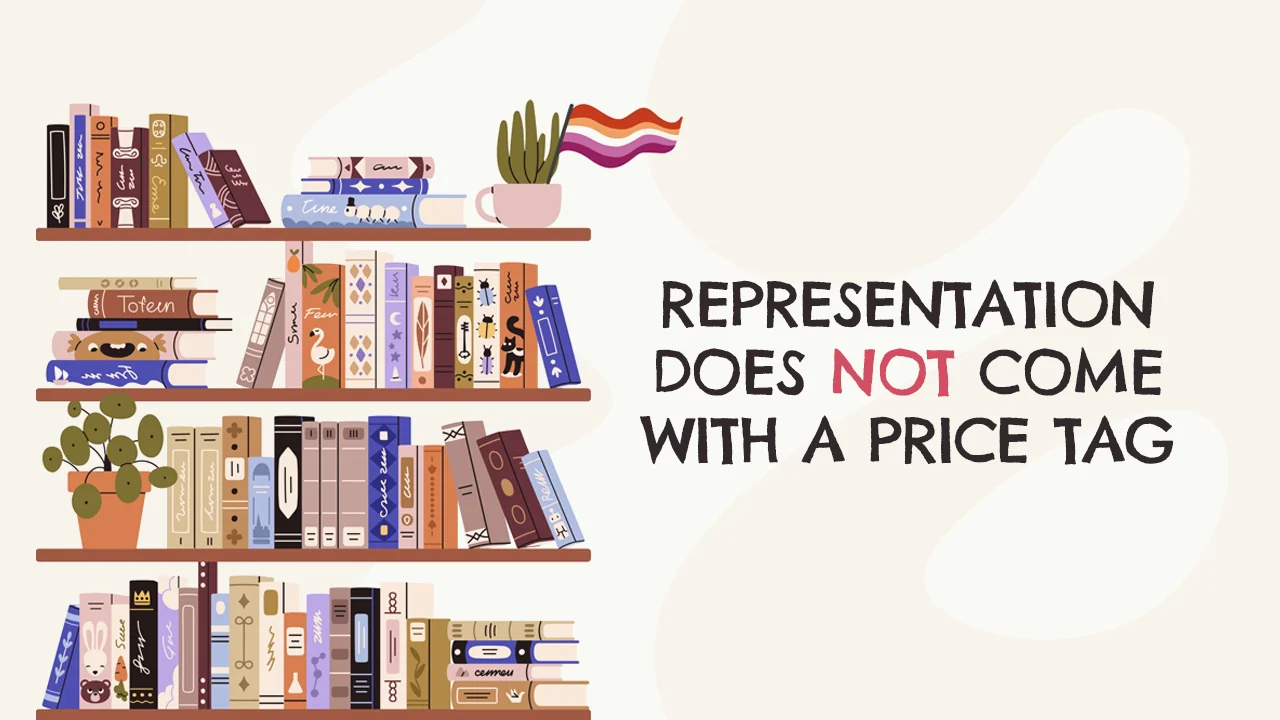
Representation doesn't come with a price tag. All you need is a library card and some good intention.